Generation Wave scuba offers 1 of 2 different first aid/cpr courses:
emergency first responder
or
divers alert network (dan)
10 reasons why every parent should take an Emergency First Response (EFR) course.
1. Confidence to Care – The best first aid care is care given calmly and confidently. You’ll find this becomes easy once you’ve taken the EFR program. You’ll learn step-by-step methodology for assessing situations and acting accordingly without stressing or panicking.
2. Handle Emergencies – Would you know what to do in an emergency situation? The EFR course will prepare you for how to deal with both minor and life threatening medical emergencies.
3. Prepare for Accidents – In the United States alone, more than 3.4 million children experience an unintentional household injury every year, of which 2,300 are fatal.
4. Beat the Statistics – The leading causes of childhood injuries in the home are choking, suffocation, drowning, submersion, falls, fires and burns, guns and poisoning. Do you know how to handle each of these situations and could you do so calmly and confidently? All of these scenarios will be addressed during your EFR program. You’ll learn how to react, how to stay calm and how to give appropriate care.
5. Better Together – Why not learn with your family. The EFR program is not just for parents, learn together with your children and share the experience. Not only will this build bonds between you, you’ll also be able to practice skills and scenarios together at home.
6. Spot the Less Obvious – Whilst a broken bone, cut knee of bruising can be easy to see, do you know how to assess your children when they are sick and the cause is not so obvious? During your EFR program, you’ll learn to conduct illness assessments and gather important and relevant information to pass onto emergency services.
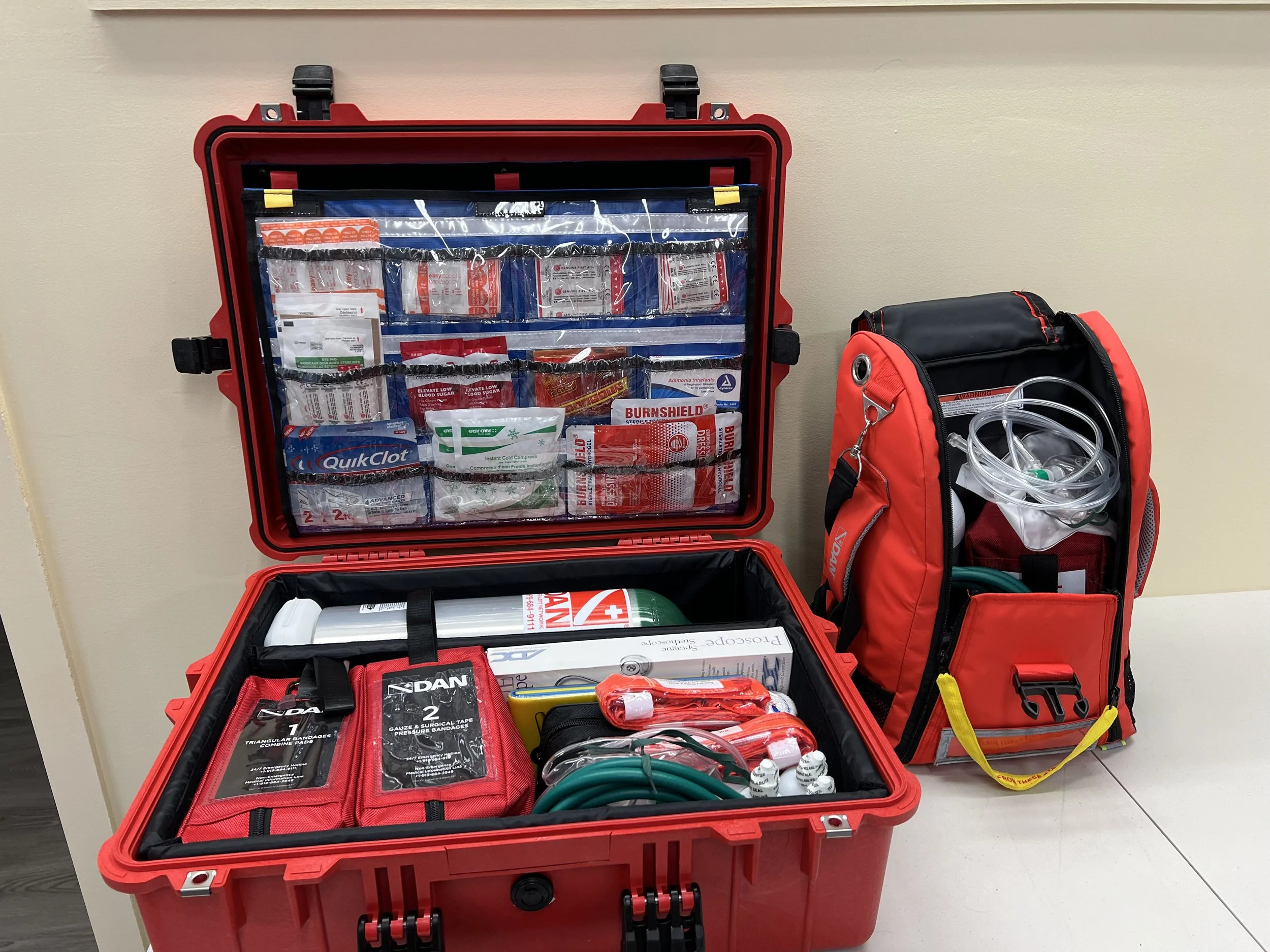
7. Use the Right Equipment – Do you have a first aid kit at home? Do you know what’s in it and how to use each iteam? During the EFR Program, you’ll learn what to include in your first aid kit and the uses and applications of each item.
8. Beyond the Home – The skills you learn during your EFR course can be applied in a range of real life situations inside and outside the home and you won’t always have a first aid kid to hand. Did you know that a magazine can be used to splint a fracture? Or that a t-shirt or towel can be used to apply direct pressure to bleeding? You’ll learn how to improvise effectively when resources are limited.
9. Learn to Prioritise – Imagine a situation where more than one person is injured, or one person has multiple injuries. Who or what would you treat first? Where would you start? The EFR course will teach you how to evaluate a situation and how to prioritise what to do first. You’ll be taught how to remain calm and make these important decisions.
10. Don’t be intimidated – Have you noticed AED’s (Automatic External Defibrillators) at airports, local bus stations or in shopping malls? Do you know what they are and how to make use of these life saving devices? During your EFR course, you’ll learn when and how the use and AED, making them much less intimidating in a real life scenario.
efr courses offered:
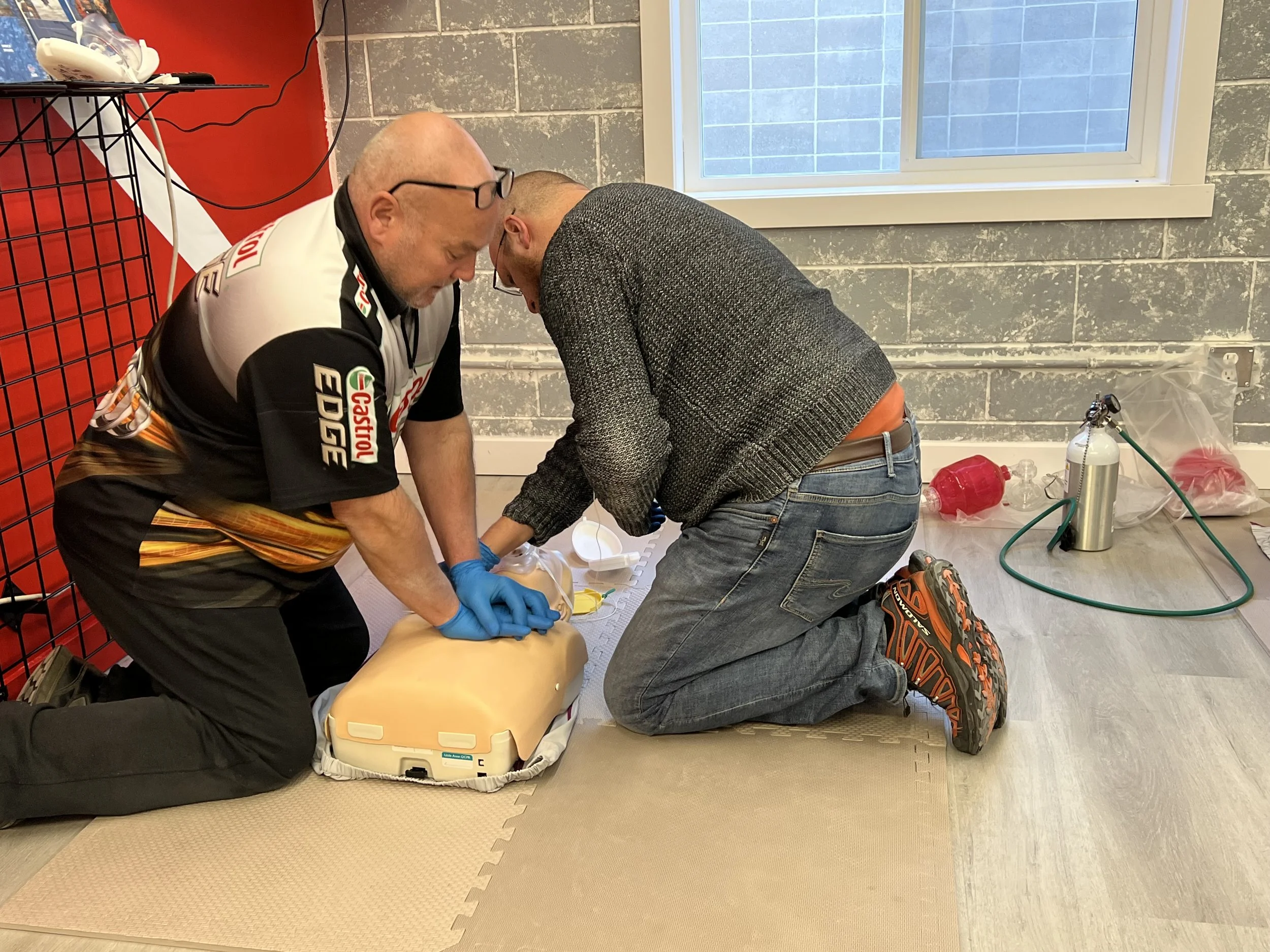
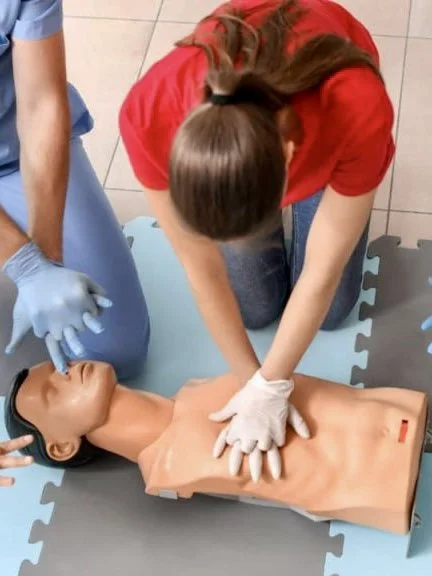
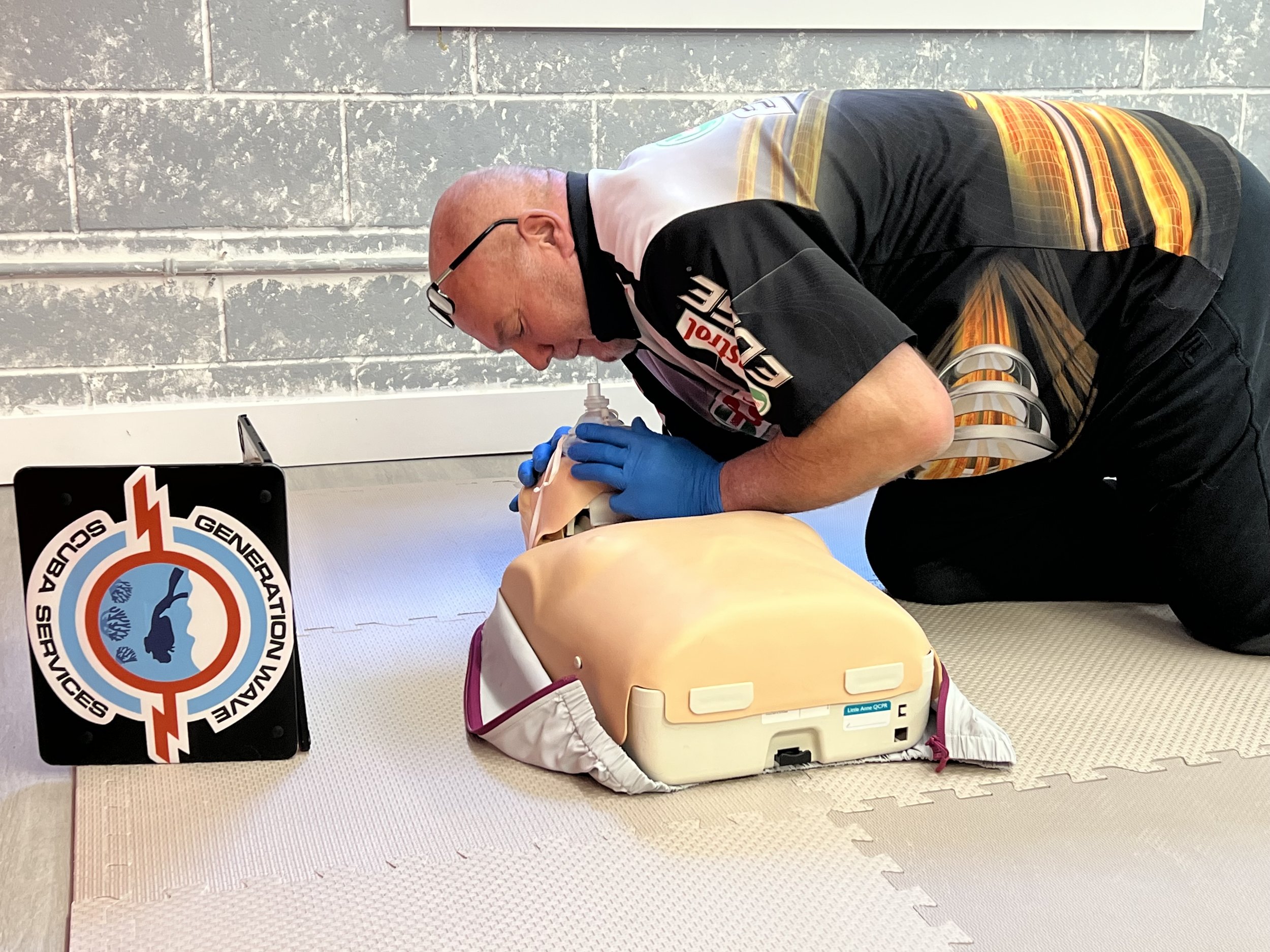
Emergency First Response Primary Care (CPR) teaches participants how to respond to life-threatening emergencies. The course focuses on primary care through a combination of knowledge development, skill development and realistic scenario practice to make sure participants have the confidence in their ability to provide care when emergency situations arise.
Primary Care (CPR) skills taught in this course:
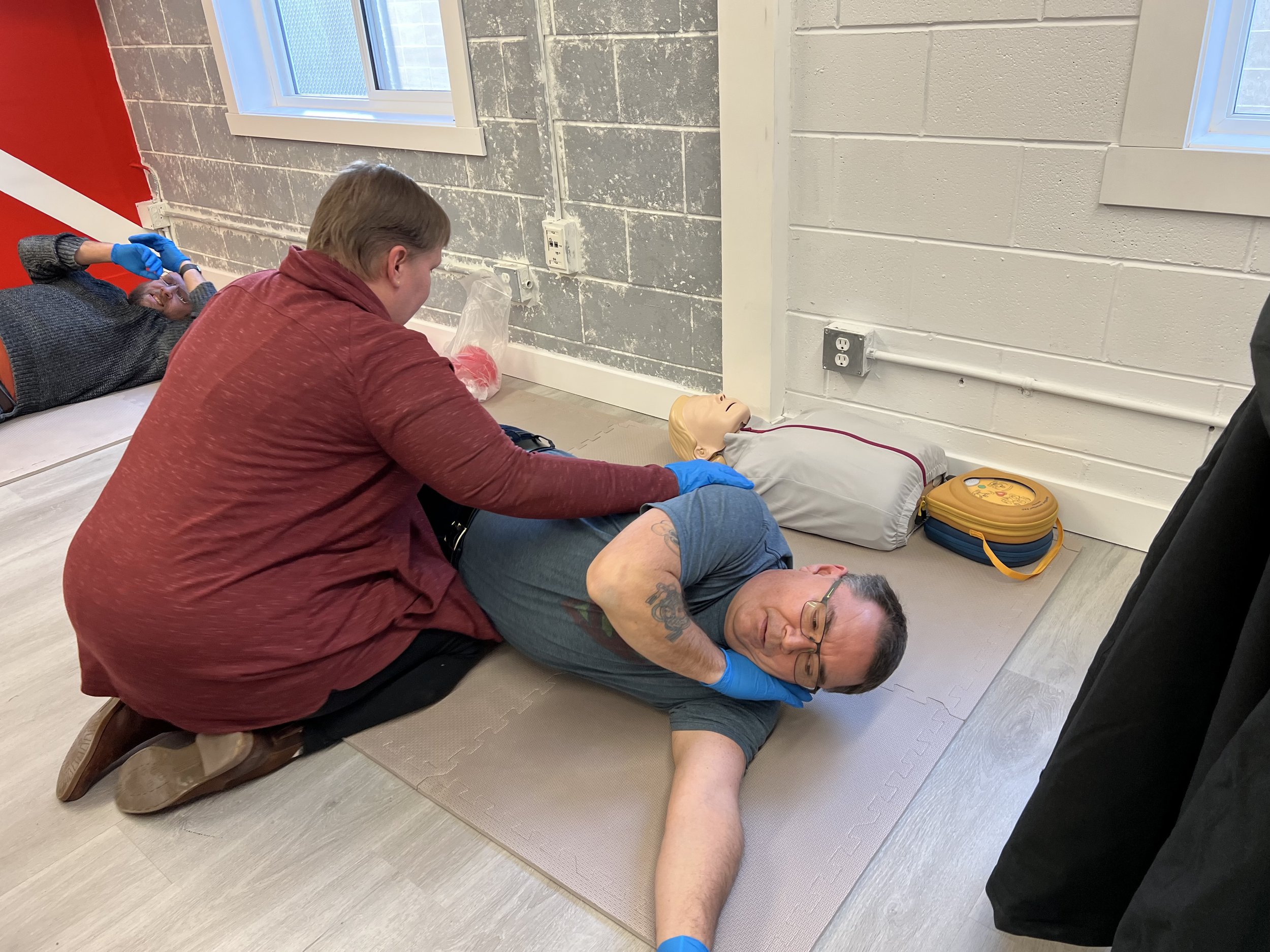
Scene Assessment, Barrier Use, Primary Assessment, Cardiopulmonary Resuscitation (CPR), Serious Bleeding Management, Shock Management, Spinal Injury Management, Conscious and Unconscious Choking Management.
Recommended Skills
– Automated External Defibrillator (AED) Use
– Emergency Oxygen Use.
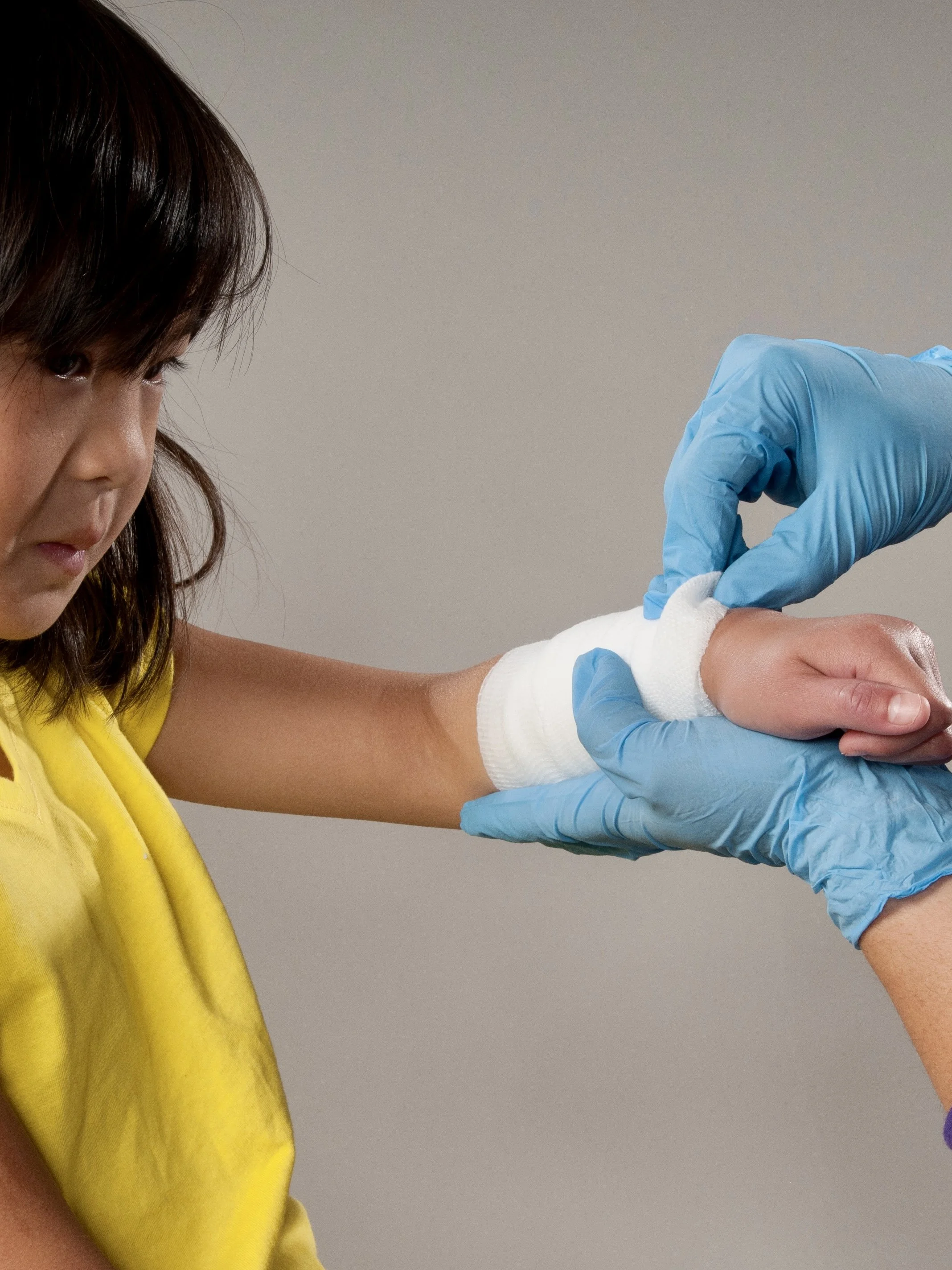
Emergency First Response Secondary Care (first aid) covers injuries or illnesses that are not immediately life threatening. Participants focus on secondary assessment and first aid through knowledge development, skill development and realistic scenario practice.
Secondary Skills taught in this course:
Injury Assessment
Illness Assessment
Bandaging
Splinting for Dislocations and Fractures
Includes first aid treatment reference for the following emergencies:
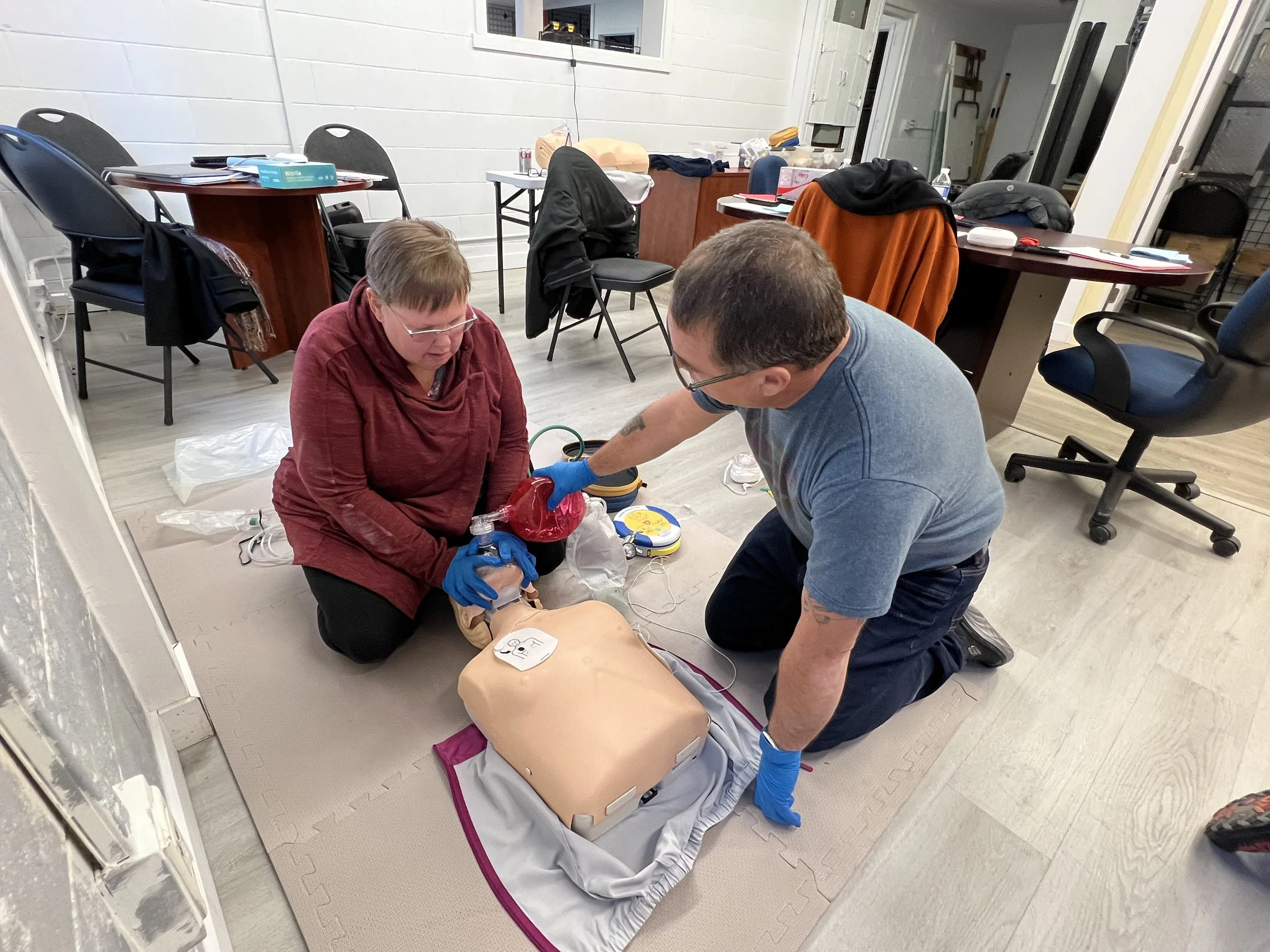
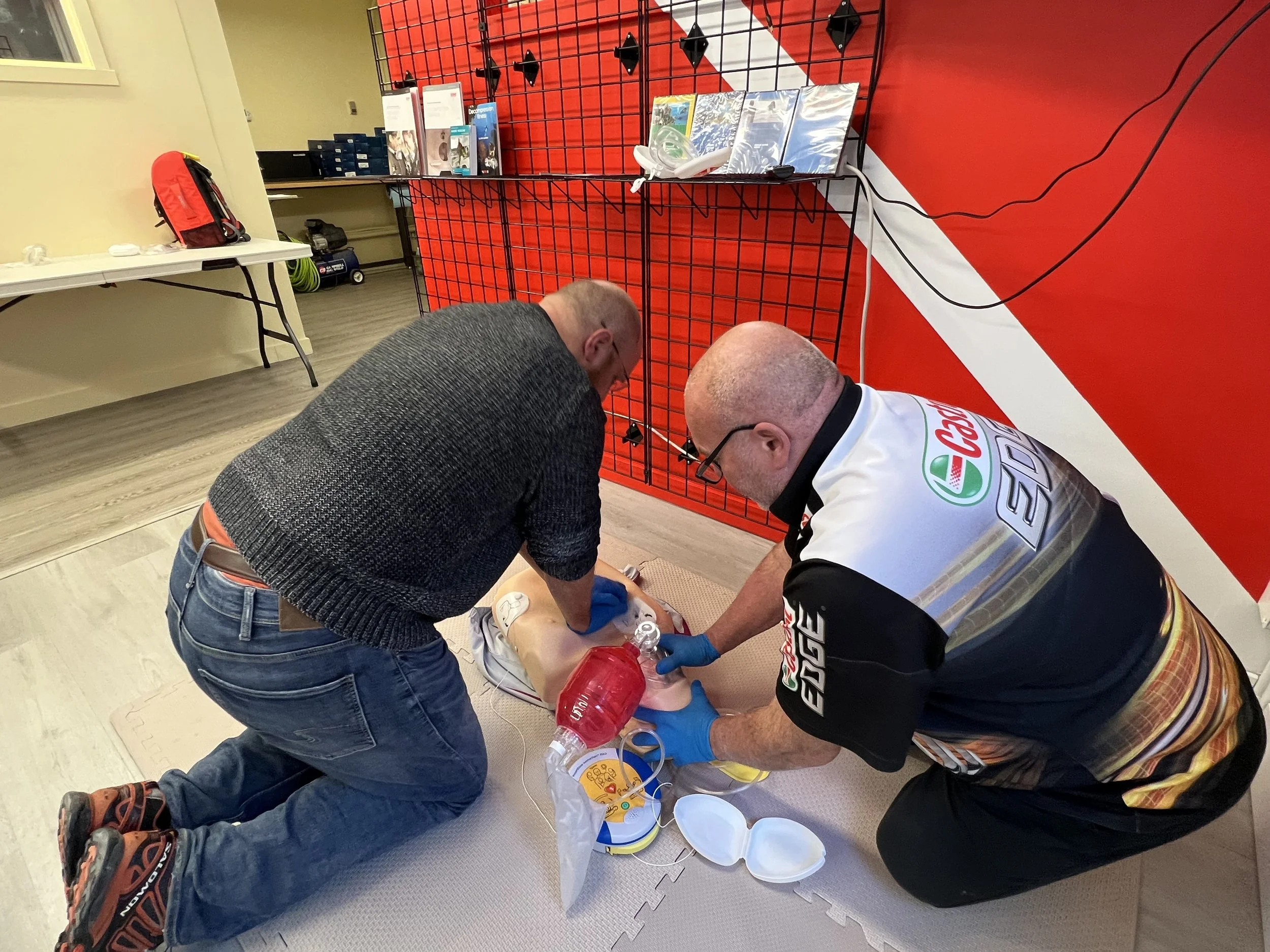
The Emergency First Response CPR & AED course teaches the basic principles of CPR and how to deploy and use an Automated External Defibrillation (AED) in an emergency situation. This life saving device can increase a patient’s chance of survival from a cardiac arrest by fifty percent.
This course is very popular for annual CPR (re-)training often required for the workplace.
The Emergency First Response Care for Children course is an innovative CPR, AED and First Aid training course that teaches participants how to provide emergency care for injured or ill children (ages one to eight) and infants less than one year old. Participants learn about the types of medical emergencies that children face, and how they differ from adults. The curriculum also includes the importance of attending to basic emergency situations with children, the emotional aspects of caring for children, secondary care for children, and preventing common injuries and illnesses in children.
The Emergency First Response Care for Children course trains the lay rescuer to follow the same priorities of care used by medical professionals. The student masters the priorities and the procedures of patient care for infants and children in a non-stressful learning environment, which reduces the performance anxieties that interfere with learning and enhances confidence when rendering aid in a real medical emergency.
The course includes both primary care (CPR) and secondary care (first aid) skills. The primary care portion of the course prepares the rescuer to help an infant or child with a life-threatening emergency such as choking or cardiac arrest. Secondary care focuses on developing first aid skills and building the rescuer’s confidence to help an infant or child in need when emergency medical services are either delayed or unavailable. The Care for Children course content is based on guidelines from the Pediatric Working Group of ILCOR.
Care for Children Primary Care Course Content:
Scene Assessment, Barrier Use, Primary Assessment, Cardiopulmonary Resuscitation (CPR, child and infant), Serious Bleeding Management, Shock Management, Spinal Injury Management, Conscious and Unconscious Choking Management (child and infant)
Recommended Skill
– Automated External Defibrillator (AED) Use (child)
Care for Children Secondary Care Course Content:
Injury Assessment
Bandaging
Illness Assessment.
Whether it’s being on the scene of an accident or witnessing a medical emergency, most people will be involved in a crisis at some point in their lives. First aid training and incident management skills empower people to step up and take action should these situations arise.
Developed by dive medicine physicians and diving educators, DAN’s courses are easy to understand and designed to provide you with the skills and confidence you need to respond in emergencies. DAN first aid courses prepare people to manage injuries related to scuba diving as well as those that occur in other settings. All courses meet current ILCOR and AHA guidelines. Isn’t it worth a few hours one evening or weekend to learn skills that could save a life?
dan courses offered:
Basic Life Support: CPR and First Aid (BLS)
This fundamental course prepares you to provide proper care for life-threatening illnesses or injuries until professional emergency medical care is available. The life-support skills taught in this course include one- and two-rescuer CPR for adults, children and infants. Use of automatic external defibrillators, bleeding management, assisting a choking victims and responding to a person in shock. The first aid skills taught include conducting secondary assessments, splinting and responding to medical emergencies.
This course is open to anyone, even non-divers.
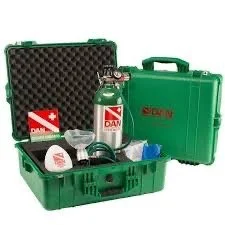
Emergency Oxygen for Scuba Diving Injuries (EO2)
Administering emergency oxygen is the preferred first aid for scuba diving injuries, and early administration can drastically improve the outcome for an injured diver. The DAN Emergency Oxygen for Scuba Diving Injuries course teaches you how to administer life-saving oxygen first aid to divers who may be suffering from decompression illness (DCI). Additionally, this course will teach you how to recognize the signs and symptoms of decompression illness and respond to them accordingly. The emergency response skills taught in this course are not unique to scuba diving; they’re applicable to many other watersports and other activities.
Note: Current DAN BLS: CPR & FA, CPR: HCP provider or other nationally recognized full CPR training is prerequisite to this course.
Diving First Aid (DFA)
DFA is the most comprehensive first aid course in the dive industry. Divers and non-divers will gain an essential set of first aid and risk-mitigation skills.
DFA includes all the content from DAN Basic Life Support (BLS) including CPR and first aid skills, all the content of the Emergency Oxygen for Diving Injuries, plus neurological assessments and first aid for hazardous marine life injuries. In the neurological assessment portion of the DFA course, you will learn how to recognize neurological injuries by performing a neurological assessment and how to collect vital information useful to emergency medical services. In the hazardous marine life injuries portion, you will learn how to identify some of the most common marine life injuries as well as the first aid skills to treat them.