
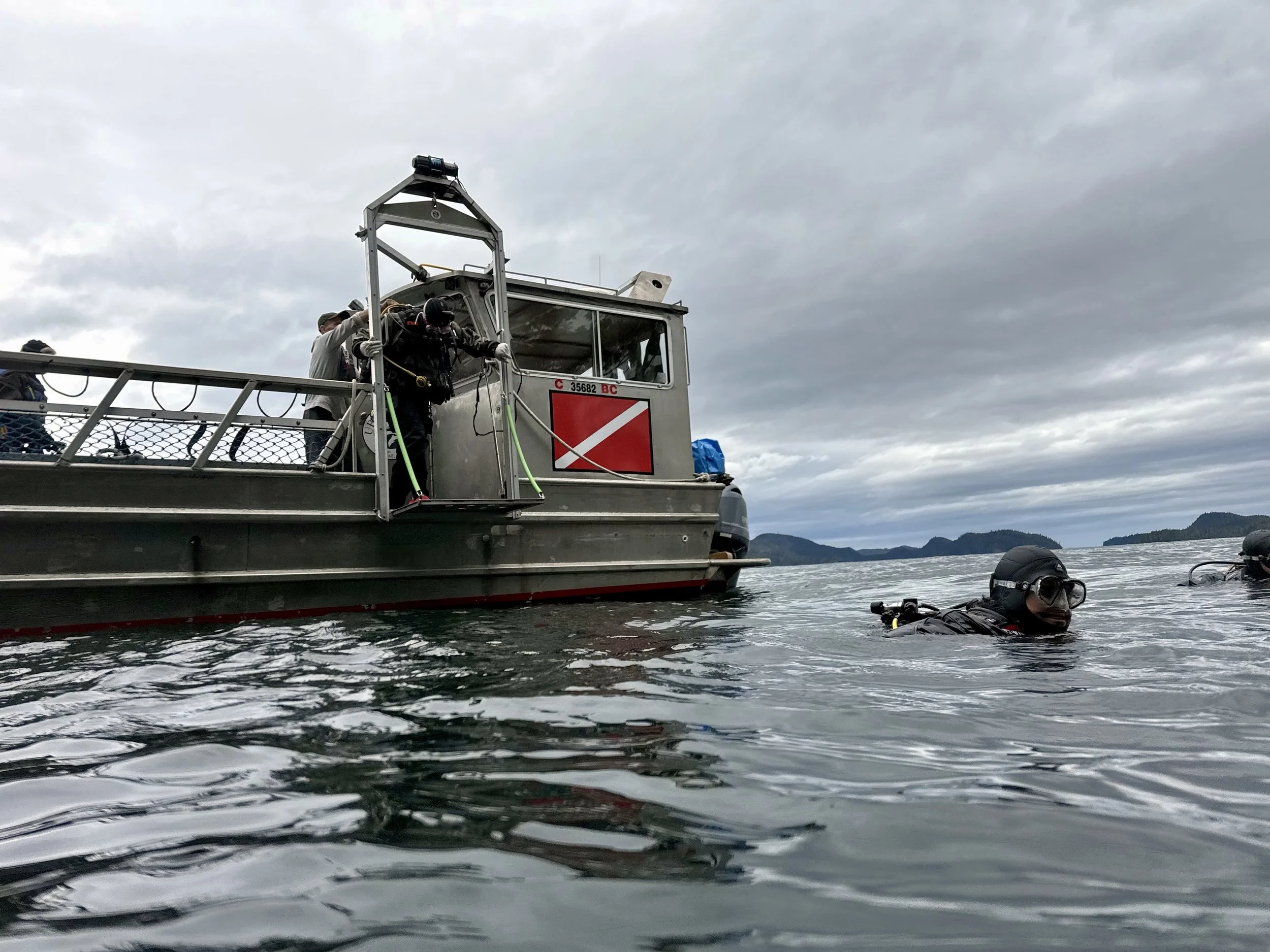
Port Hardy
May 1 - 3, 2026 FULL
or
october 23 - 25, 2026 FULL
with UB Diving
browning passage (port hardy)
included:
2-3 boat dives/day
Tanks & weights
Dive gear (if needed) - through Generation Wave Scuba
not included:
Transportation to/from port hardy
Accommodations
Meals
Nitrox
Insurance
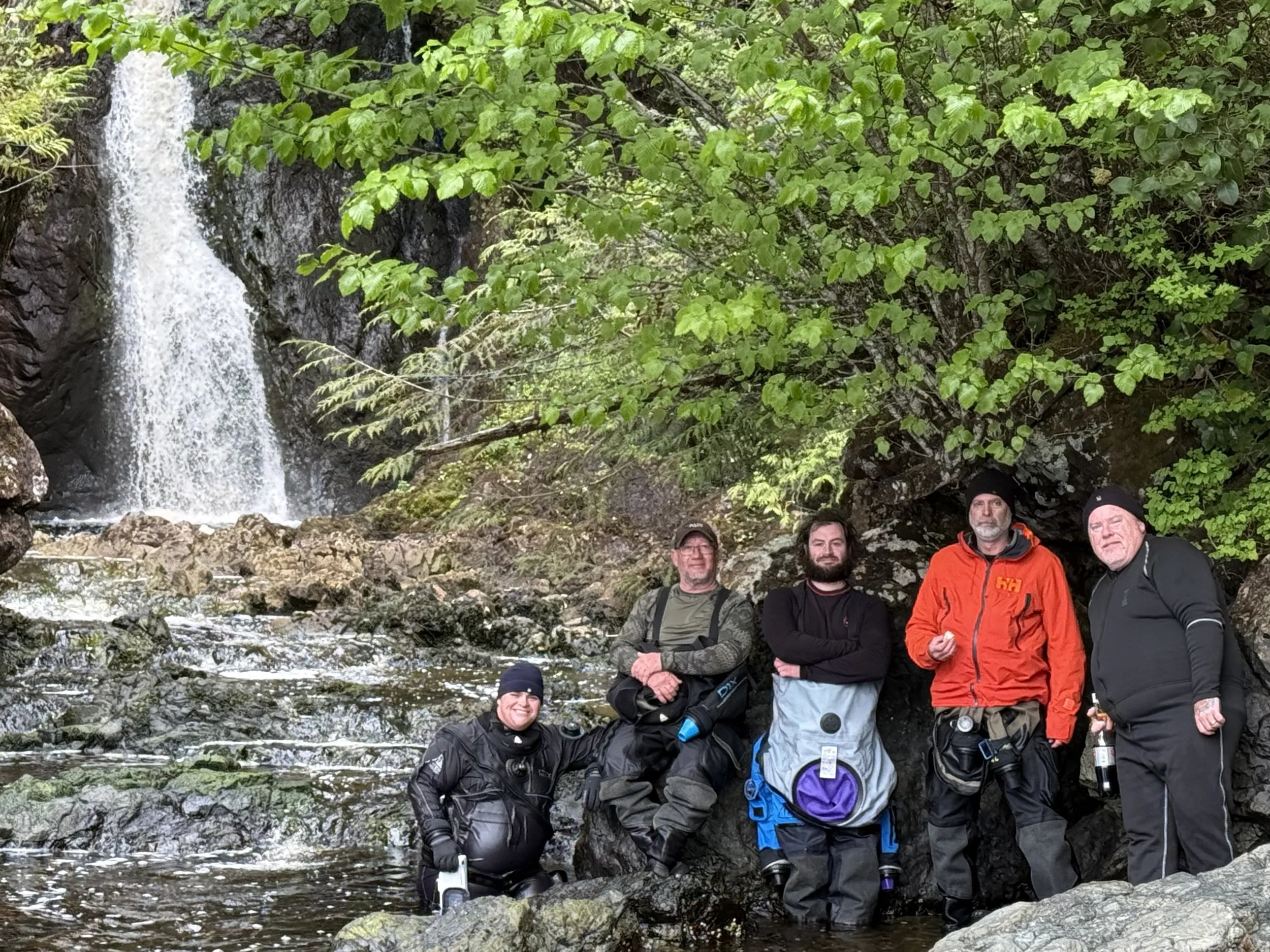
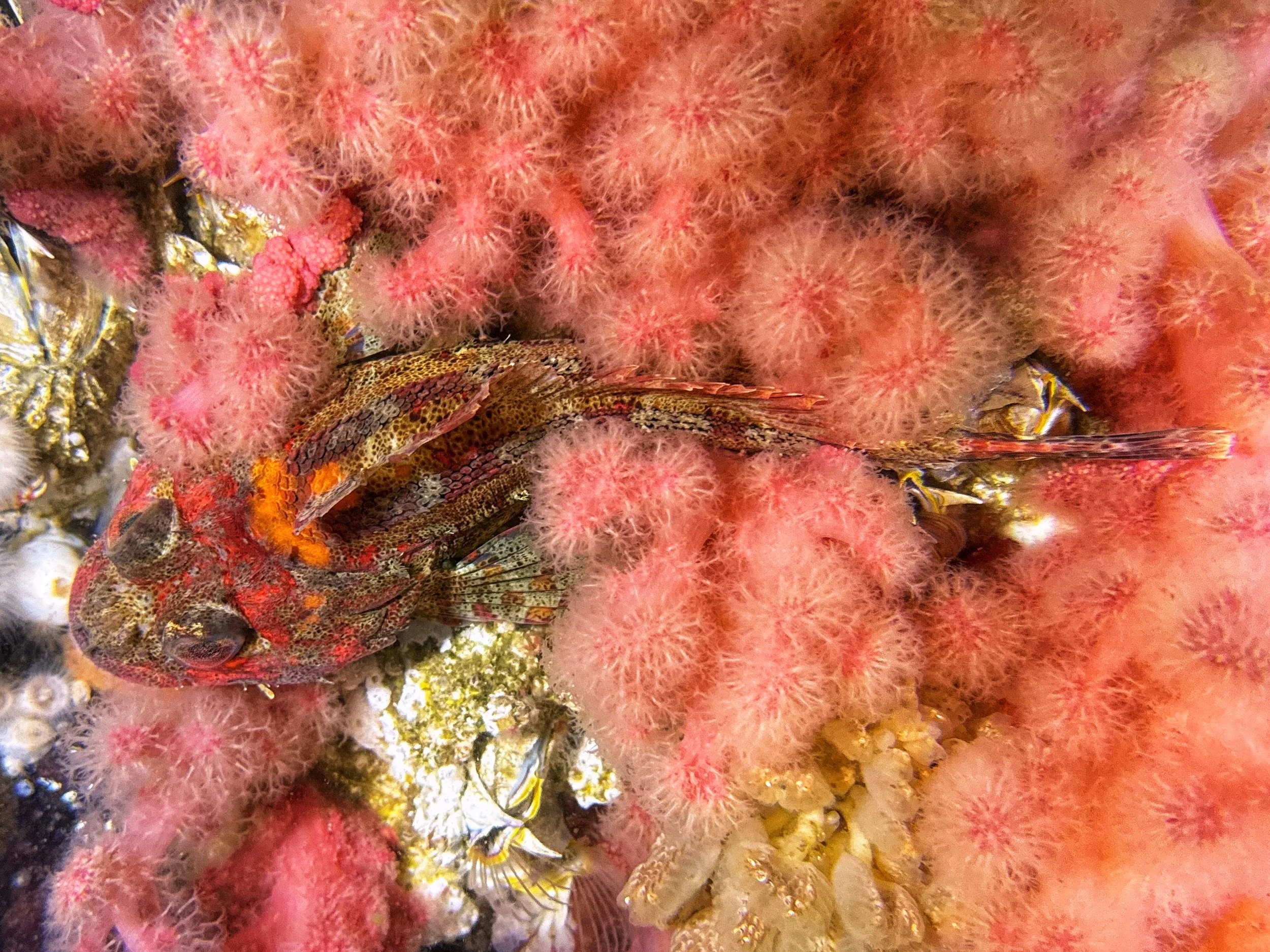
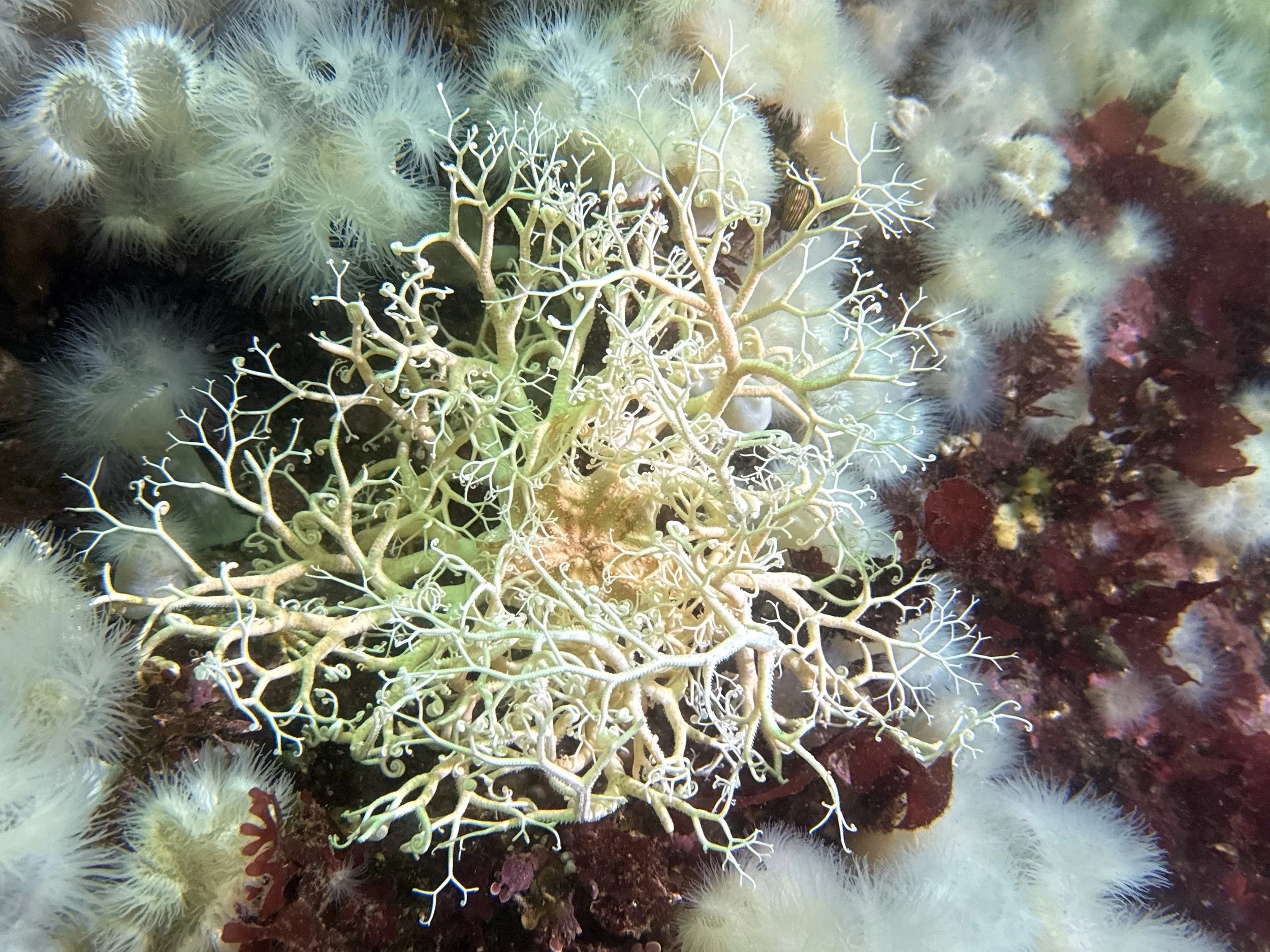
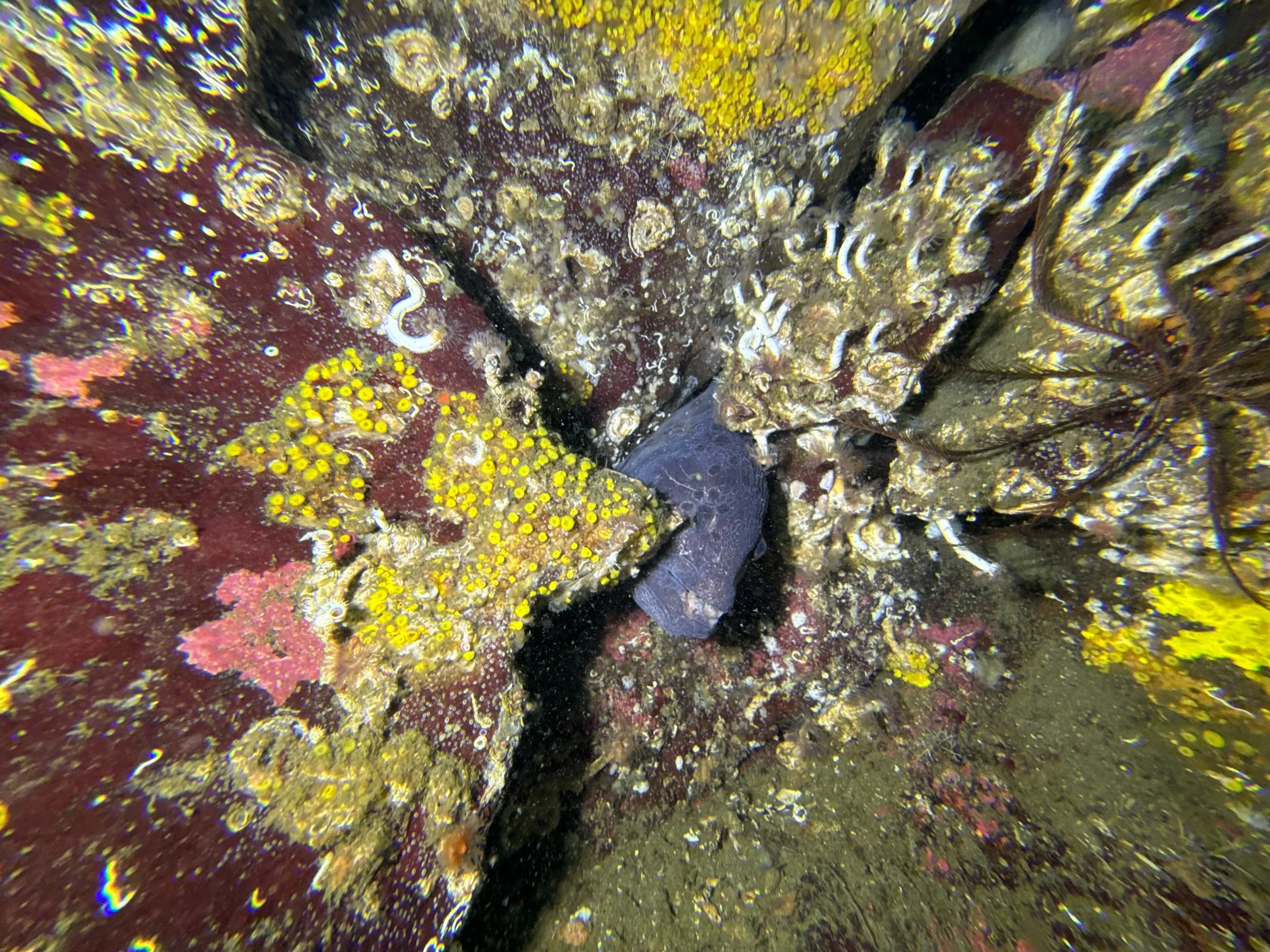
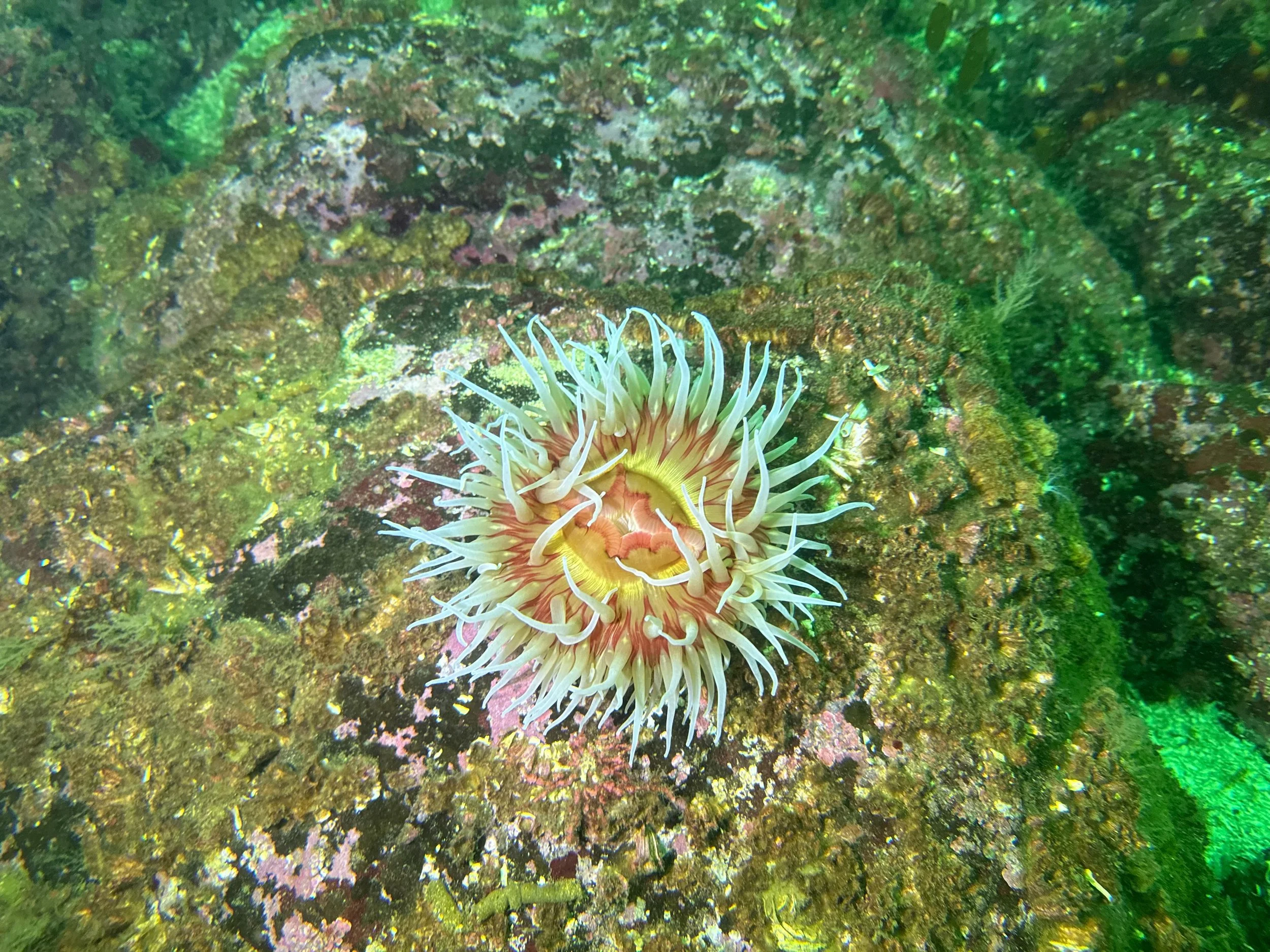
Diving Browning Pass, located near Port Hardy on Vancouver Island, BC, offers world-class cold-water diving with rich marine life, including wolf eels, octopuses, and stellar sea lions. It is part of God's Pocket Marine Park and features numerous dive sites like the SS Themis wreck and Browning Wall. The area is known for its kelp forests and the opportunity to see large numbers of juvenile stellar sea lions.
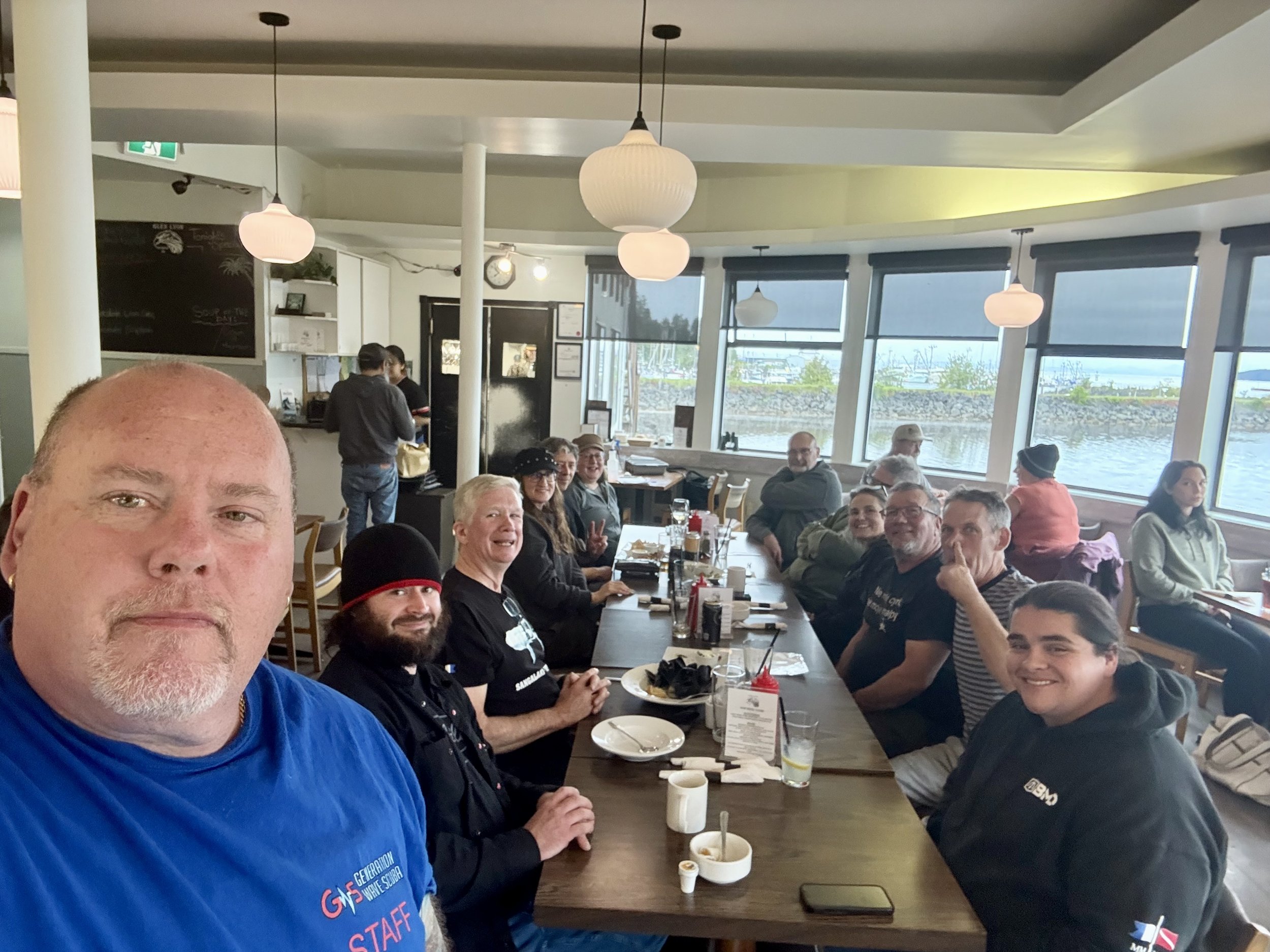
This trip is open for signups
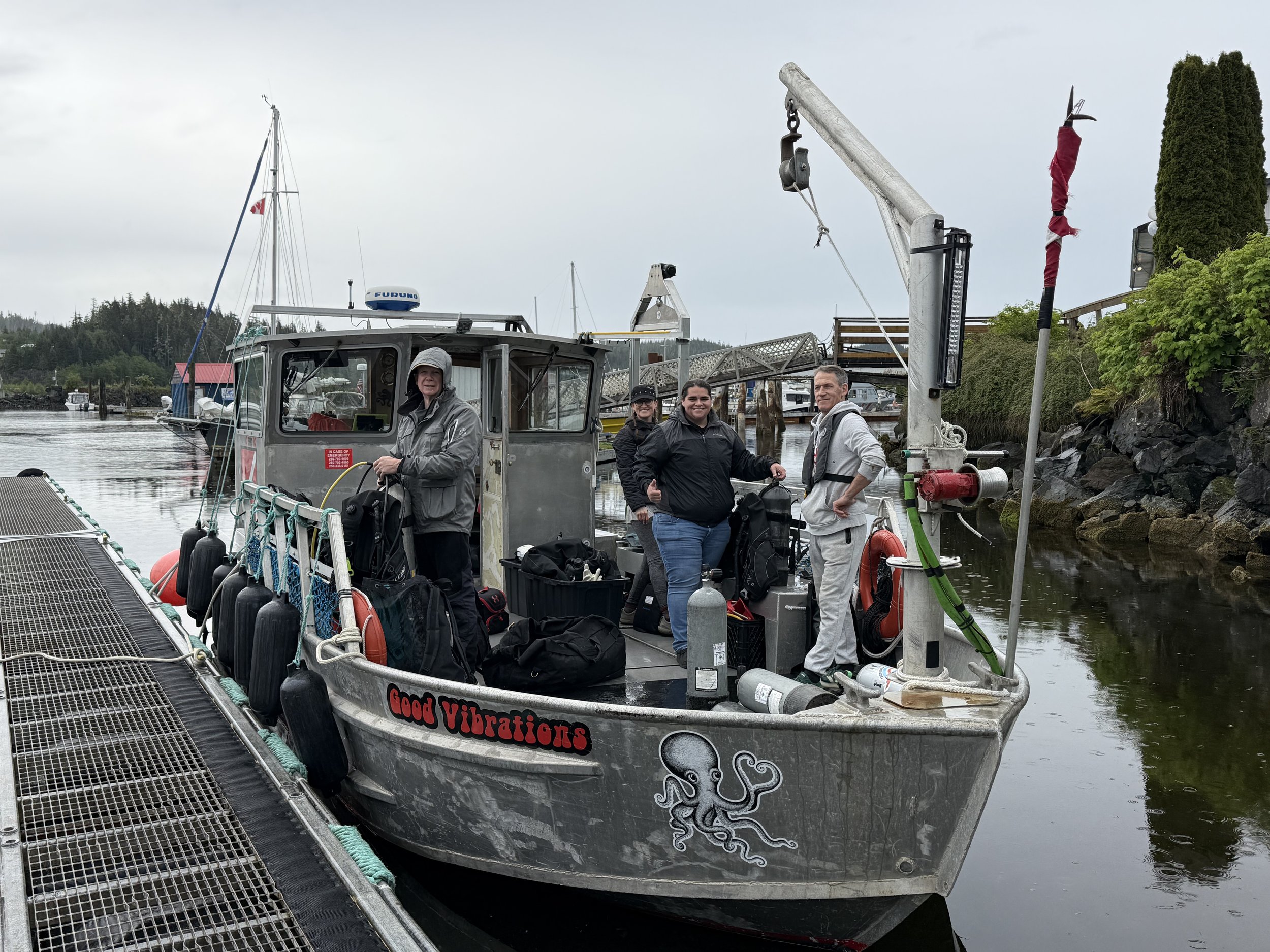
Join us for 3 days diving the Beautiful browning passage with ub diving
Browning Passage, located off the northern tip of Vancouver Island near Port Hardy, is
a world-renowned cold-water scuba diving destination. Its intense tidal currents deliver rich nutrients, creating a massive and colorful underwater ecosystem. Famed oceanographer Jacques Cousteau reportedly called the area one of the best cold-water dive locations in the world.
What to expect
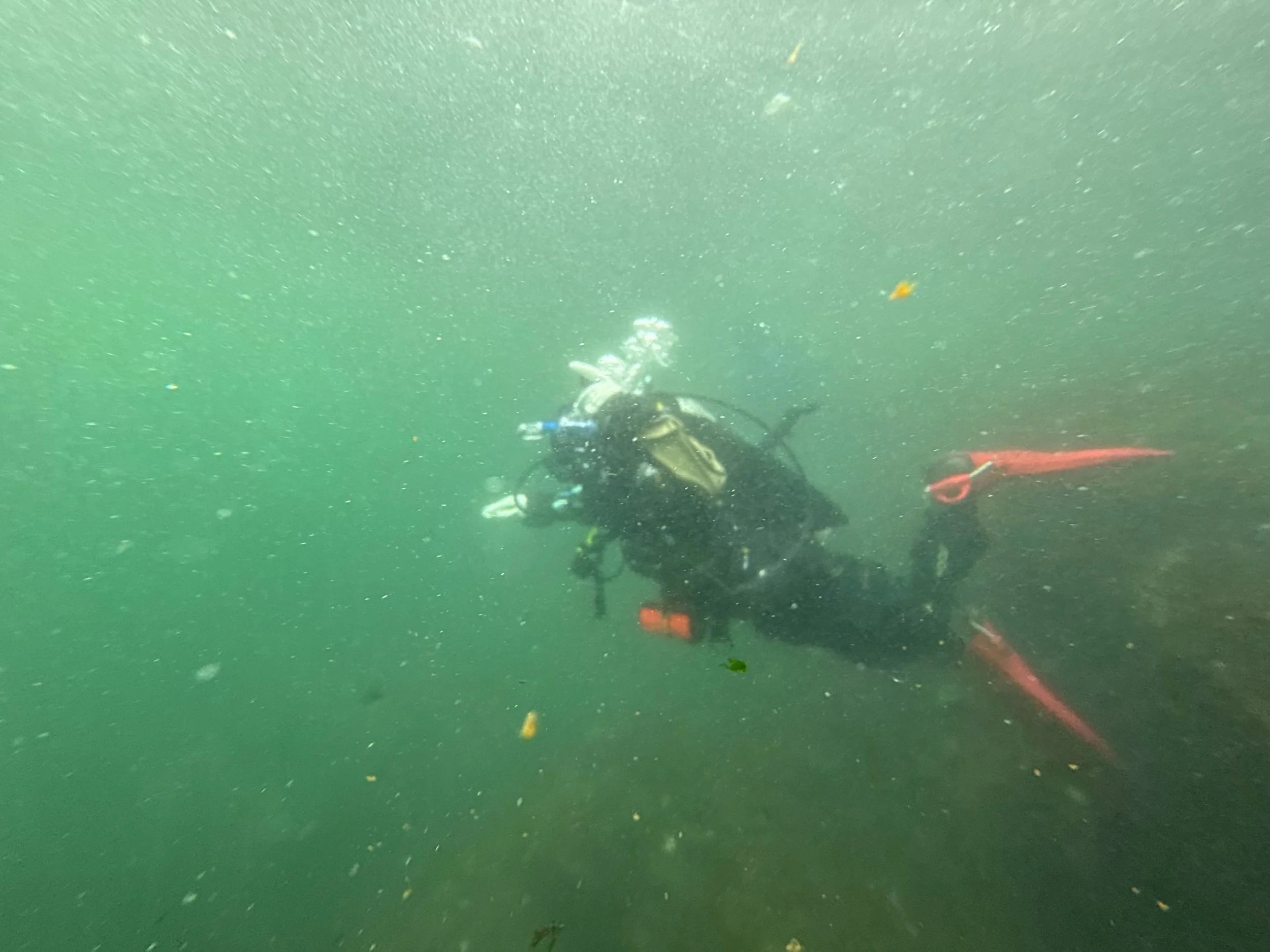
Diving in Browning Passage offers a vibrant array of marine life and dive sites:
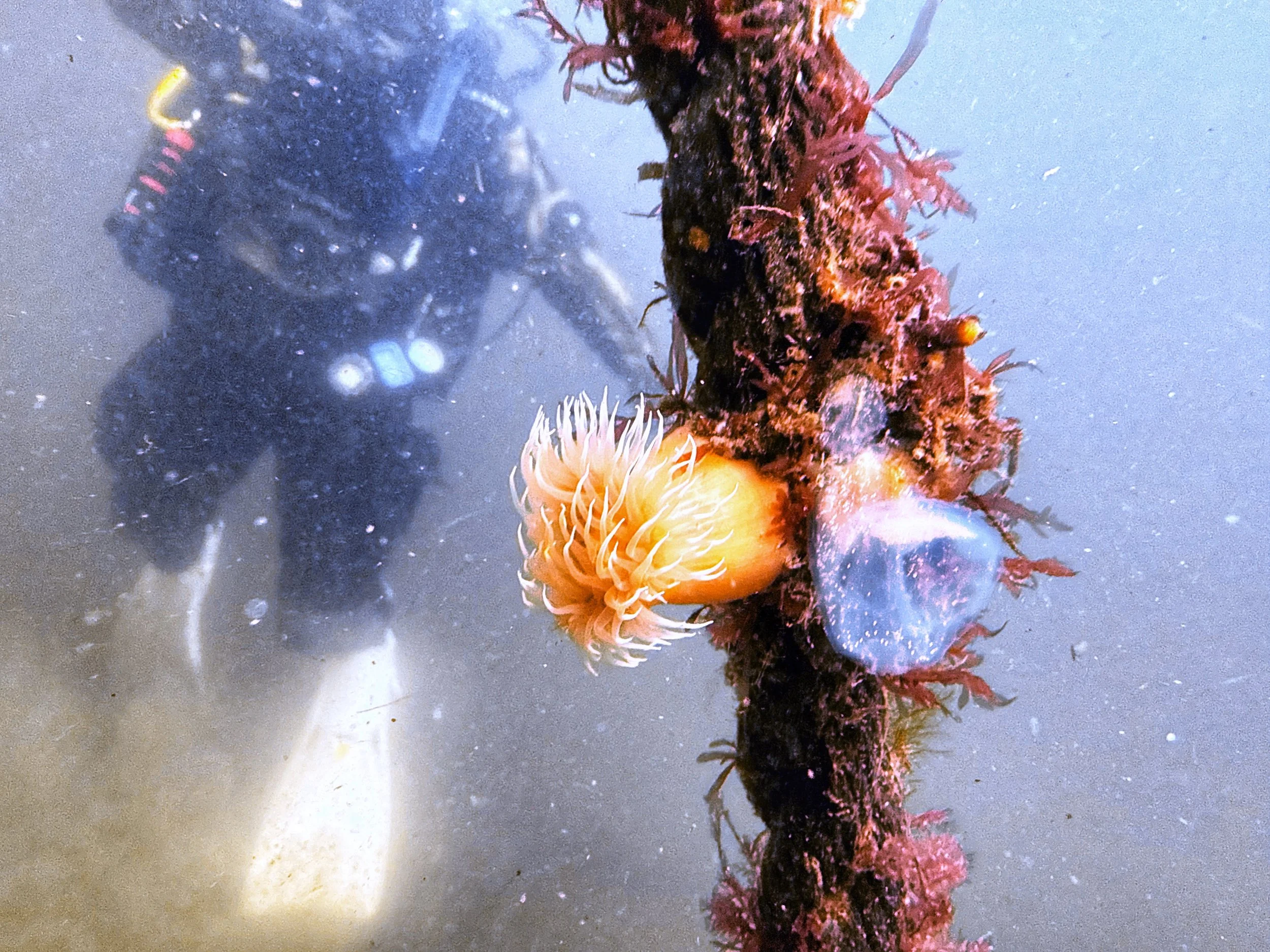
Marine life: The ecosystem is a hub for biodiversity, featuring large concentrations of invertebrates, fish, and marine mammals. You can see species such as:
Friendly wolf eels and giant Pacific octopuses.
Colorful nudibranchs, soft corals, sponges, and anemones.
Schools of rockfish.
Orcas, humpback whales, sea lions, and seals.
Dive sites: Popular sites within the passage include
Browning Wall
,
Seven Tree Island
, and
Rock of Life
.
Photography: The area is a spectacular location for underwater photography, though macro photography is easier for capturing smaller subjects.
Conditions:
Visibility: Can range from 20 to over 100 feet, depending on seasonal plankton blooms and tides. Fall (September to December) typically has the best visibility.
Currents: The strong tidal currents are a defining feature. Most diving is done during the calmer slack tide intervals, though some prefer drift diving along the walls.
Water temperature: Water is consistently cold, usually around 45–50°F (7–10°C), making a drysuit highly recommended.
itinerary
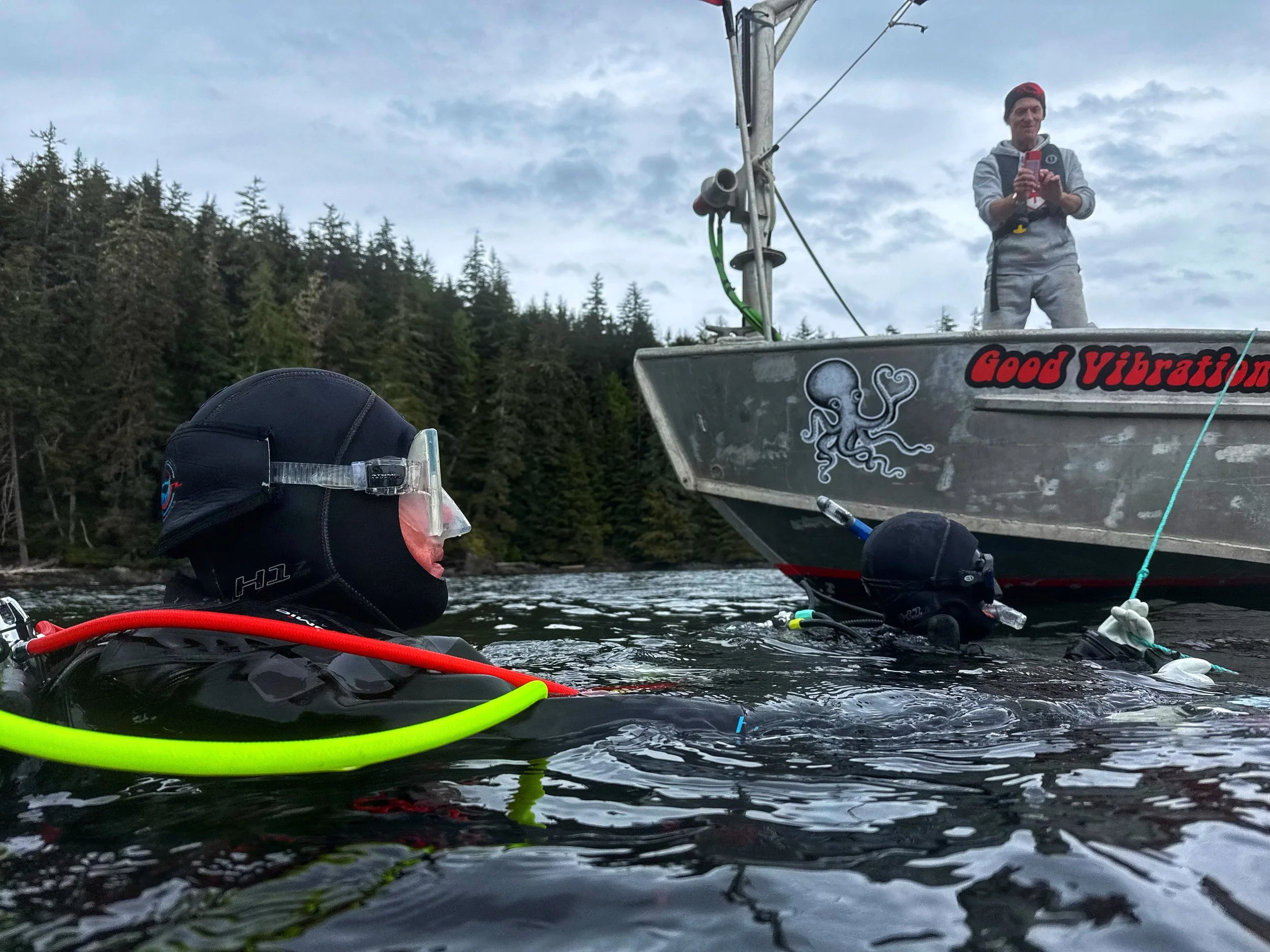
arrive in port hardy thursday night
2 dives friday
3 dives saturday
2 dives sunday
Come dive with us!